What Can Be Done About Hammertoes

Hammertoes develop when one or more toe joints become abnormally bent, often due to muscle imbalance, tight footwear, or underlying conditions like arthritis. In the early stages, toes may still be flexible, and simple treatments can help ease discomfort and prevent the problem from worsening. Supportive shoes with a wide toe box, padding, and custom inserts can reduce pressure and make walking more comfortable. Stretching and strengthening exercises may also help maintain mobility. As the condition progresses, the toe can become rigid and more difficult to manage without medical intervention. In some cases, a minor surgical procedure is needed to restore alignment and relieve pain. Whether the goal is to reduce irritation or correct the deformity, options exist at every stage. If you are noticing toe changes or discomfort while walking, it is suggested that you schedule an appointment with a chiropodist for a diagnosis and appropriate treatment.

Hammertoe is a common foot deformity in which one or more of the small toes bends downwards at the middle joint. Though it may seem like a purely cosmetic issue, this is not the case. Hammertoes can be uncomfortable, painful, and even debilitating in severe cases. If you suffer from hammertoe, please consult with Emily Yu, B.Sc from Uptown Foot Care Clinic. Our specialist can help you maintain the health of your lower limbs and your mobility.

Symptoms

  • One or more small toes bending downward at the middle joint
  • Pain or irritation on the affected toes
  • Corns and calluses
  • Inflammation
  • Redness
  • Stiff toe joints
  • Sores on the tops of the toes

Diagnosis

A chiropodist can typically diagnose hammertoes through physical examination. X-rays may need to be taken to see the extent of the damage.

Treatment

Hammertoes tend to progressively worsen with time, so getting prompt treatment is very important. In its early stages, the progression of hammertoe can be slowed down or stopped. Your chiropodist may suggest changes in your footwear. Wearing wide, comfortable shoes with a larger toe area and a low heel can help you avoid putting pressure on your toes. You may also be prescribed orthotics. Over-the-counter medications or corticosteroid injections may be used to relieve pain. If you have any corns or calluses, your chiropodist may suggest padding them to avoid further irritation. In advanced cases, surgery may be suggested. 

If you have any questions please feel free to contact our office located in Toronto, ON

Read more about Hammertoes

Causes and Types of Foot Corns

Corns are areas of thickened skin that develop in response to repeated friction or pressure, most commonly on the feet. They are a protective reaction by the body to prevent damage to deeper tissues. Poorly fitting shoes, frequent walking, or foot deformities can contribute to their formation. Corns are generally classified into three types based on their appearance and location. Hard corns are the most common and usually appear on the tops or sides of the toes where skin rubs against footwear. Soft corns form between the toes where the skin stays moist, making them feel rubbery. Seed corns are smaller and are often found on the bottom of the feet, and they can be painful when pressed. If you have developed a corn, it is suggested that you contact a chiropodist who can offer you effective relief and prevention tips.

Corns are small bumps or dry, hardened skin that can arise on the feet, usually in response to friction. Corns can be asymptomatic, or they can be uncomfortable or painful. If you have corns that are bothering you, please consult with Emily Yu, B.Sc from Uptown Foot Care Clinic. Our specialist can help you maintain the health of your lower limbs and your mobility. 

There are three types of corns:

  • Hard corns
    • Often occur on the tops of toes
    • Feature a hard core surrounded by dry, irritated skin
    • Can be painful
  • Soft corns
    • Often occur in between the toes
    • Soft due to constant exposure to sweat
    • Can be painful
  • Seed corns
    • Tiny
    • Often occur on the soles of the feet
    • Usually asymptomatic

Corns can be prevented by wearing shoes that fit properly. They are typically benign and don’t require medical treatment. However, if your corns are causing you pain or discomfort, don’t hesitate to reach out to a chiropodist near you for treatment options. If you have any questions please feel free to contact our office located in Toronto, ON

Read more about Corns on the Feet

The Difference Between Bruised and Broken Toes

A bruised toe and a broken toe may appear similar, but there are key differences. A bruised toe is often caused by direct trauma, such as stubbing the toe, and results in swelling, discoloration, and pain, typically surrounding the affected area. The bruising comes from blood vessels beneath the skin being damaged. In contrast, a broken toe occurs when there is a fracture in the bone, which may be caused by a more significant injury, such as dropping something heavy on the foot or stubbing the toe forcefully. A broken toe usually causes more intense pain, swelling, and may lead to difficulty walking or bearing weight on the foot. If the toe is misshapen or there is an inability to move it, it is likely broken. If you have injured your toe, it is suggested that you consult a chiropodist who can determine if the toe is broken or bruised, and provide effective treatment solutions.

A broken toe typically occurs following either a sudden, traumatic injury, like dropping a heavy piece of furniture on the toe. The impact causes the bone to fracture and produces a variety of painful symptoms. If you suspect that you’ve broken your toe, please consult with Emily Yu, B.Sc from Uptown Foot Care Clinic. Our specialist can help you maintain the health of your lower limbs and your mobility. 

Symptoms

  • Throbbing pain
  • Swelling
  • Bruising
  • Cracking sound at the time of injury
  • Difficulty bearing weight on the toe
  • Difficulty walking
  • Toe resting at an unnatural angle

Diagnosis

Your chiropodist can diagnose a broken toe through physical examination and imaging studies, such as X-rays. 

Treatment

The main goals of treatment are to ensure that the bone heals properly, as a toe fracture that doesn’t heal properly can lead to osteoarthritis. You will typically need to rest the affected toe. You may be prescribed a splint to immobilize the toe while it heals. Icing the affected toe and taking over-the-counter medications can help reduce pain. In cases of severe fractures, surgery may be necessary to reset the broken bones and make sure that they heal correctly.  

If you have any questions please feel free to contact our office located in Toronto, ON

Read more about Broken Toe

We Can Treat Your Foot or Ankle Pain

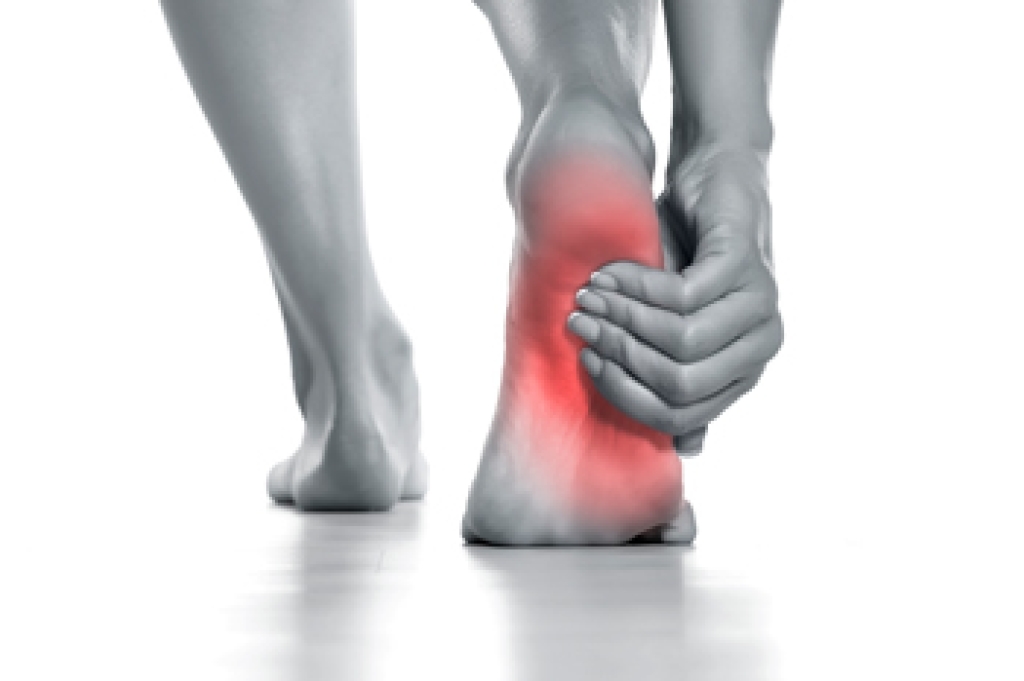
Foot or ankle pain can negatively affect your day-to-day life and can occur due to several different conditions. Pain can also be an indicator of a more serious underlying condition, which is why you should seek professional help as soon as you notice any abnormalities in your feet.

The Importance of Elderly Foot Care

Foot care becomes increasingly important as people age due to changes in circulation, skin health, and mobility. Elderly individuals often experience reduced blood flow to the feet, thinning skin, and decreased sensitivity, making them more susceptible to issues like dryness, calluses, and infections. Additionally, balance can be affected, and conditions like arthritis or diabetes may contribute to discomfort, swelling, or wounds that heal slowly. Regular foot care helps prevent small problems from escalating into serious complications, like ulcers or infections, which are common and potentially dangerous in older adults. A chiropodist can provide essential support for aging feet by conducting routine check-ups, addressing pain or mobility issues, and suggesting specialized footwear or orthotics. If you are a senior, it is suggested that you schedule regular appointments with a chiropodist to manage foot health proactively, ensuring improved mobility, comfort, and overall quality of life.

Foot problems can become increasingly common as we age, making everyday foot care especially important. To learn more about maintaining proper foot health, please consult with Emily Yu, B.Sc from Uptown Foot Care Clinic. Our specialist will assess your condition and provide you with quality foot and ankle treatment. 

Common Foot Problems

Certain foot problems may be more likely to affect older adults. 

Some examples of foot conditions that can be common in older adults include: 

  • Dry, cracked skin
  • Calluses and corns
  • Blisters
  • Ingrown toenails
  • Deformities such as bunions or hammertoes
  • Fungal infections
  • Plantar warts

Systemic conditions, such as diabetes or arthritis, are also more likely to affect older people and manifest symptoms in the feet and ankles. 

Daily Foot Care Tips

Having a daily foot care routine can help detect problems early on and prevent future issues. 

Things that you can do at home to care for your feet include: 

  • Washing the feet daily with warm water, drying them thoroughly, and then applying a moisturizer
  • Trimming the toenails straight across and not too short to prevent ingrown toenails
  • Performing daily foot exercises to improve foot strength and mobility
  • Wearing shoes when walking to avoid injury
  • Inspecting the feet daily for any cuts, scrapes, sores, or other abnormalities and seeking prompt treatment if any problems are discovered 

If you have any questions please feel free to contact our office located in Toronto, ON

Read more about Elderly Foot Care

Connect With Us